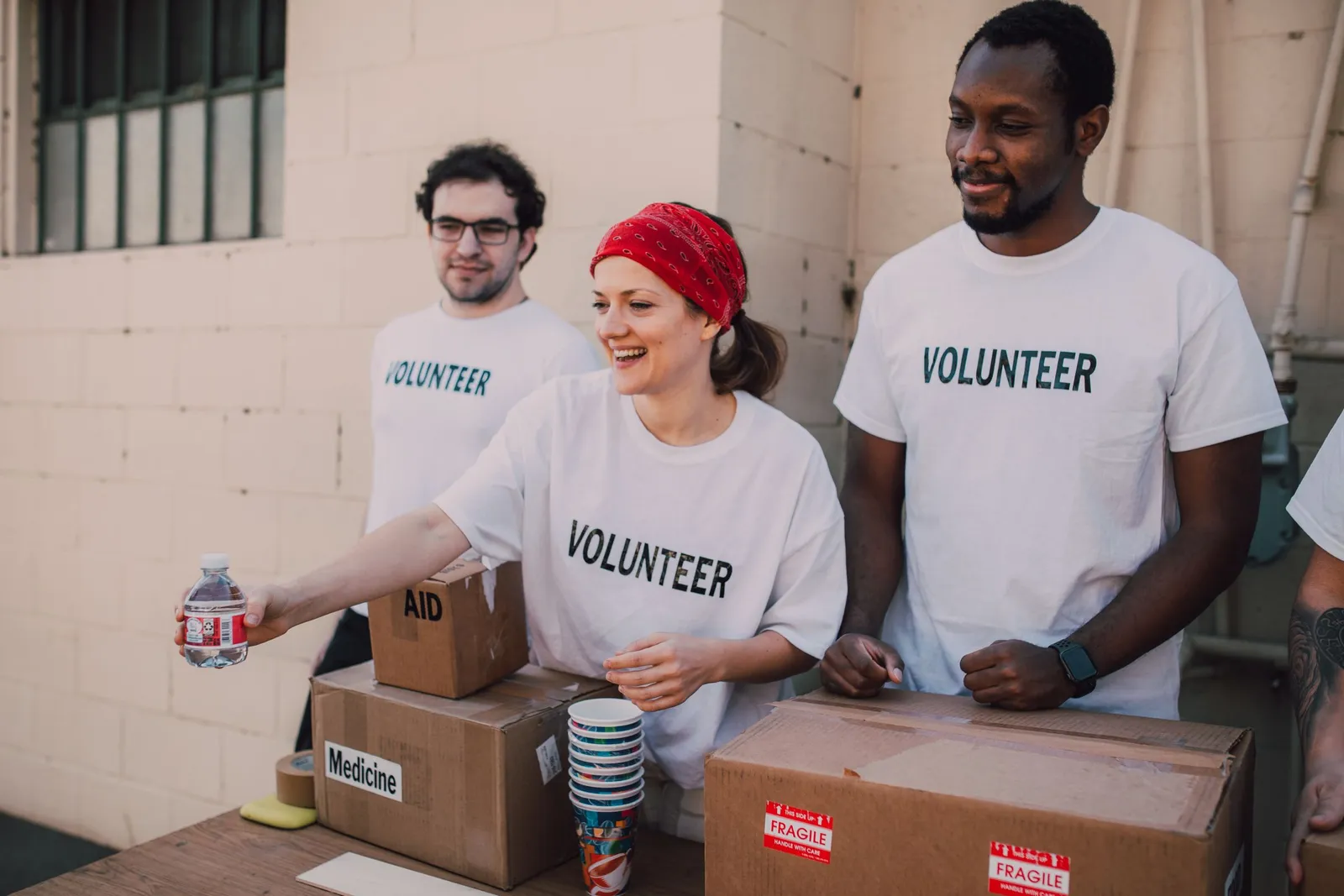
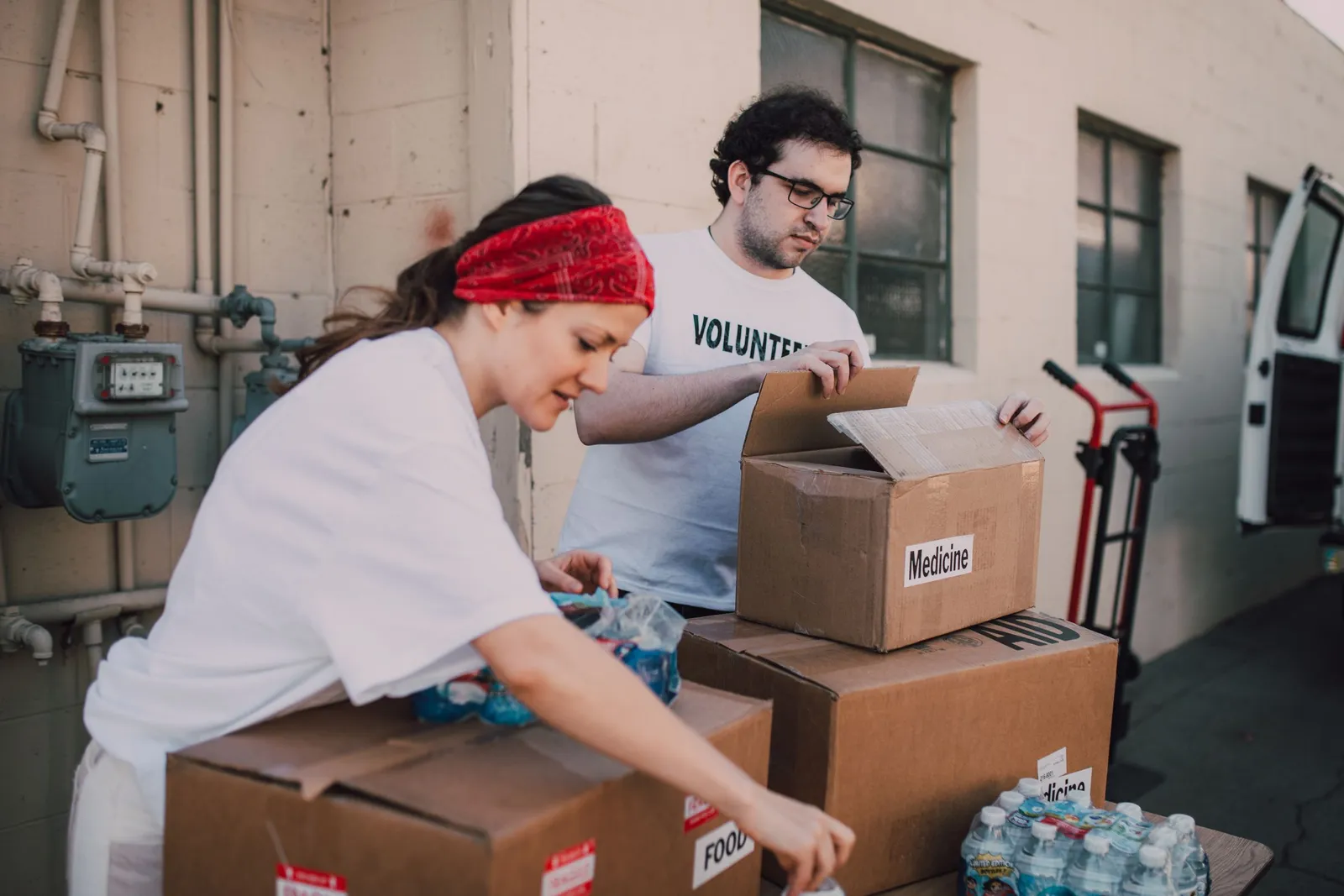
Volunteering for young people in the Netherlands: what's allowed, and how to start
You can volunteer in the Netherlands before you turn 18. From 13 you may do light work, from 16 almost anything except dangerous work. Here is how age, hours, the school community placement, MDT and allowances work.
In this story
- What is the minimum age for volunteering?
- How many hours can you volunteer as a pupil?
- Is the community placement still compulsory?
- What is Maatschappelijke Diensttijd (MDT)?
- Can you get an allowance as a young volunteer?
- Do you need a VOG?
- What can you do as a young person?
- What should you ask beforehand?
- A first step
Yes, you can volunteer in the Netherlands before you turn 18. The same rules apply as for paid work, though: from 13 you may do light work, and from 16 almost anything except dangerous work. You can find something yourself, or take part through school or Maatschappelijke Diensttijd (MDT), the Dutch community service programme for young people.
Below you'll find what's allowed at each age, how many hours, how allowances and the VOG work, and how to take a first step.
What is the minimum age for volunteering?
There is no separate age limit for volunteering. But volunteers under 18 follow the same rules as young people in paid work. Zorgzaam010, the volunteering platform of the municipality of Rotterdam, writes that volunteers under 18 are not exempt from the Dutch Working Hours Act or the health and safety act, the Arbowet (Zorgzaam010, in Dutch). The Dutch government also says the Arbowet applies to volunteers under 18 (Rijksoverheid, in Dutch).
So what you may do at each age follows the rules for work by young people (Ondernemersplein, in Dutch):
| Age | What's allowed |
|---|---|
| Under 13 | No work yet, apart from a few exceptions |
| 13 and 14 | Small jobs, and helping with light work without machines, at weekends and in the holidays |
| 15 | Light work on your own without machines, but no lifting, pushing or pulling heavy things |
| 16 and 17 | Almost any kind of work, but nothing dangerous. Risky work only under expert supervision |
A few rules apply to everyone under 18:
- You get instructions and supervision. Zorgzaam010 calls supervision and information necessary for all young people under 18.
- No dangerous work, such as working with hazardous substances, at great height or in a lot of noise.
- Not at night: under 18 you may not work between 11pm and 6am (Rijksoverheid, in Dutch).
- From 16 you may do almost anything, but the work must not stop you going to school.
How many hours can you volunteer as a pupil?
For the school community placement (maatschappelijke stage), which counts as work, the Dutch government sets clear maximum hours (Rijksoverheid, in Dutch):
| 13 and 14 | 15 | |
|---|---|---|
| School day | 2 hours | 2 hours |
| Day without school | 7 hours | 8 hours |
| School week | 12 hours | 12 hours |
| Holiday week | 35 hours | 40 hours |
If you are 13, 14 or 15, you may only work on a Sunday if the work requires it, and with your parents' permission. Do you also have a part-time job? Then the hours of your placement and your job are added together, and the total must stay within the maximums.
If you volunteer outside school, it makes sense to keep to the same limits. That leaves time for school, sport and rest.
Is the community placement still compulsory?
No. The maatschappelijke stage has not been compulsory since the 2014-2015 school year (Zorgzaam010, in Dutch).
If you do one through your school, you volunteer, for example at a community centre or a care farm. At 13, 14 or 15 you only do light work. The school signs a placement agreement with the organisation you work for (Rijksoverheid, in Dutch).
What is Maatschappelijke Diensttijd (MDT)?
Through MDT, young people aged 12 to 30 volunteer for others (Rijksoverheid, What is MDT?, in Dutch). MDT officially started in 2020 and is built around three things:
- doing something for others or for society;
- developing your talents;
- meeting people you wouldn't easily meet otherwise.
The government gives examples such as teaching Dutch to refugees with a residence permit, or organising a community event together. Up to and including 2025, 289,500 young people completed an MDT programme (CBS, MDT report 2025, in Dutch). You can find projects at doemeemetmdt.nl, which the government links to.
Can you get an allowance as a young volunteer?
You don't have to: a lot of volunteering is unpaid. If you do receive a volunteer allowance, the Belastingdienst, the Dutch tax authority, sets a lower hourly amount for young people in 2026 (Belastingdienst, in Dutch):
- €3.40 an hour if you are under 21 (from 21 it's €5.75);
- at most €220 a month and €2,200 a year.
If the allowance stays below these amounts, you pay no tax on it. How it works in detail is explained in Volunteer allowance in the Netherlands.
Do you need a VOG?
If you will work with children, older people or other vulnerable people, the organisation will often ask for a VOG, a Dutch certificate of conduct (Rijksoverheid, in Dutch). For volunteers it is often free, if the organisation takes part in the Gratis VOG scheme. What you need for it is in the Volunteering guide.
What can you do as a young person?
In 2025, 47 percent of people in the Netherlands aged 15 and over volunteered. Among volunteers aged 15 to 25, about half helped now and then or just once, and the other half regularly (CBS, in Dutch). Most volunteers help at a sports club. Among young people, school and youth or community centre work are common too.
A few ideas to start with:
- help at your sports club, for example at a tournament or a youth training session;
- join a one-off action in your neighbourhood, such as a clean-up day or a collection;
- do something at a community centre or an activity for children;
- spend an afternoon helping a charity with friends.
Helping once or per project is a fine way to begin. You'll soon find out what suits you. More tips on choosing are in How to start volunteering.
What should you ask beforehand?
A short checklist, for you and for your parents or carers:
- What exactly will I do, and does the work suit my age?
- Who explains it to me, and who is my contact while I'm working?
- How many hours is it, and does that fit around school?
- Am I insured while volunteering?
- Is a VOG needed, and who arranges it?
- Do I get an allowance, or are expenses paid?
Please note: this is a plain-language explanation, not legal advice. The rules can change. For your own situation, always check the Rijksoverheid, your school or the organisation.
A first step
Looking for something in and around Rotterdam? Under volunteering you'll find tasks with charities we have checked, with the date, place and number of places left. You sign up without an account. If you are under 18, ask whether the task suits your age. At schools that work with Karma Points, such as Albeda College, students volunteer with verified charities through the Karma Points app to earn the social-service credit for their semester. And if you'd like to do something together with others, take a look at the Good Karma Club. More ways to find something are in Finding volunteering near you.
Sources (in Dutch): Ondernemersplein, Rules for work by young people; Zorgzaam010, Volunteering and age; Zorgzaam010, Placement vs. volunteering; Rijksoverheid, Rules for volunteers and volunteer organisations; Rijksoverheid, Work not allowed under 18; Rijksoverheid, Hours during a community placement; Rijksoverheid, What is MDT?; CBS, MDT report 2025; Belastingdienst, Volunteering and allowances; CBS, Volunteering stays at pre-pandemic level.