Measuring social impact: where should a company start?
Measuring social impact doesn't start with a dashboard, but with a clear goal and the difference between what you do and what it changes. How a company can start, step by step, and where the CSRD stands now in the Netherlands.

In this story
Measuring social impact starts with a clear goal, not a dashboard. First write down the change you want to see, then separate what you do (volunteering hours, money for charities) from what it changes for people. Start small: one or two goals, a few things you really track, and only later the harder question of what your effect is.
This guide explains the key terms, how to begin step by step, and who still has to report after the EU simplified the CSRD.
What is social impact, exactly?
A useful definition comes from Het Impactpad ("the impact path"), a free Dutch guide by Avance, Social Enterprise NL and Impact Centre Erasmus. It says a company's impact consists of the effects that can be attributed to its activities.
Two words in that sentence matter. "Effects": it is about change for people or society, not about your effort itself. And "attributed": you may only count what changes because of you, not everything that happens to improve at the same time.
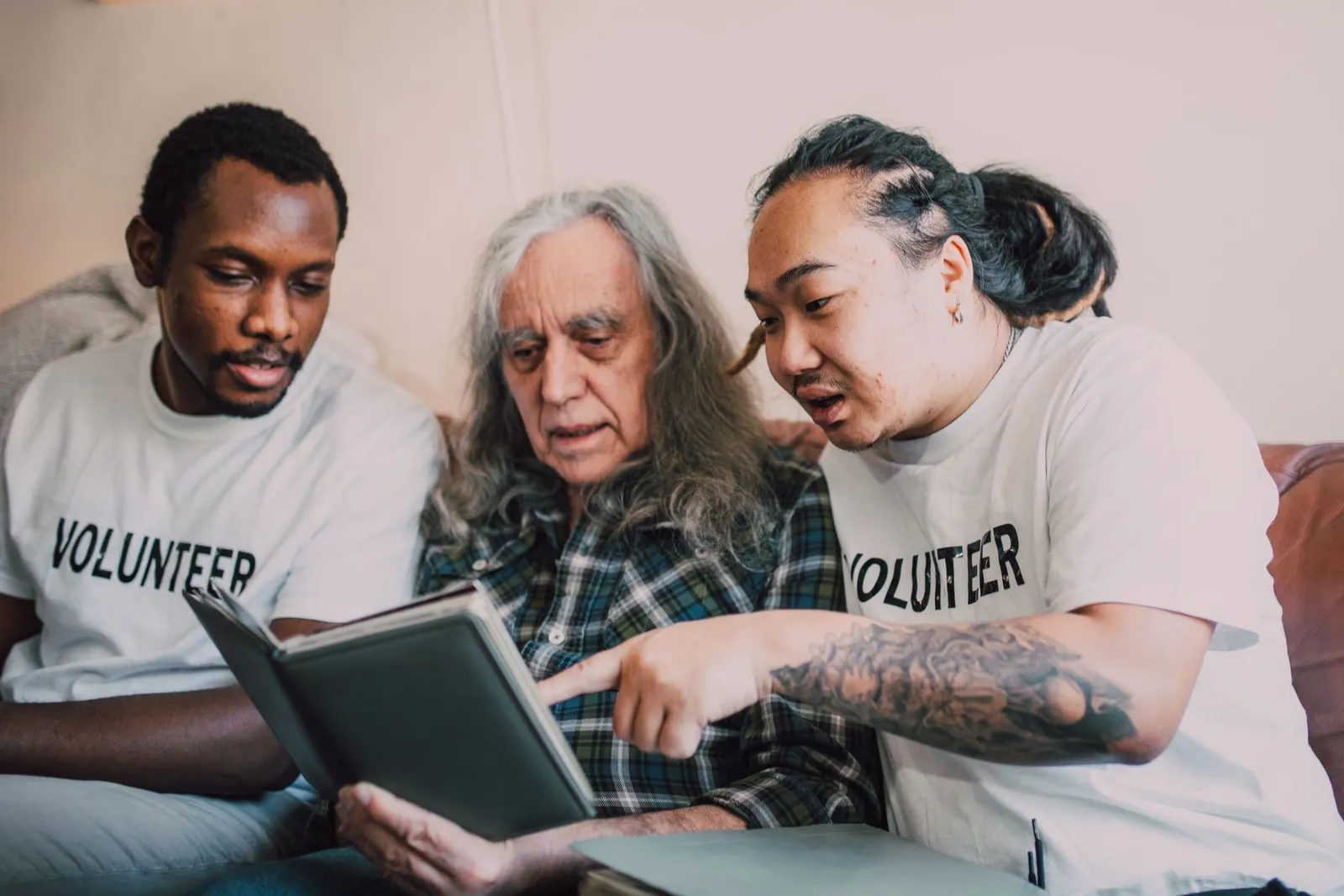
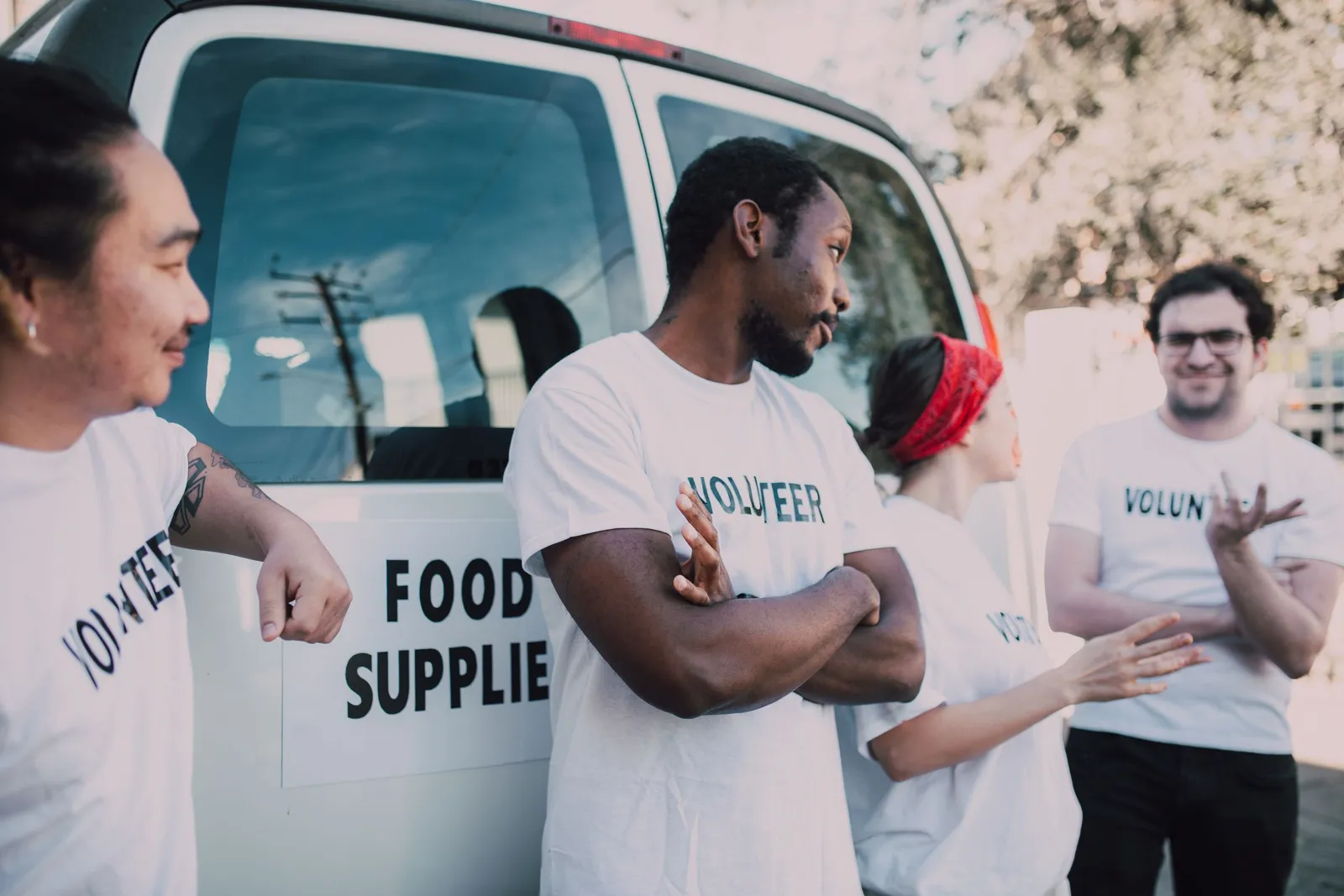
Het Impactpad was written for social entrepreneurs. But its steps work just as well for a company that wants to know what its social engagement achieves, such as employee volunteering or support for charities.
Output, outcome and impact: what's the difference?
Het Impactpad uses a theory of change (in Dutch, verandertheorie): a chain showing how your activities should lead to change. The links are:
| Link | What it is | Example for employee volunteering |
|---|---|---|
| Input | What you put in | Working time, budget, support |
| Activities | What you do | Employees help at a homework club |
| Output | The direct result | Number of hours, number of children helped |
| Direct effects (outcome) | What changes for the people themselves | Children finish their homework more often |
| Indirect effects | Longer-term change | Better chances at school |
The example in the table is made up to explain the terms. It does show where things often go wrong: many companies stop at output. "Our staff did 400 hours of volunteering" says something about your effort, but nothing yet about what it changed.
Het Impactpad adds two more things to the chain: assumptions (why do you think one step leads to the next?) and context factors (what helps or gets in the way outside your control?). Writing them down shows you quickly where the evidence is thin.
Does your company have to report on impact?
For most companies, no. The EU rules on sustainability reporting, the CSRD, were simplified considerably in 2026 with the Omnibus I package. According to RVO, the Netherlands Enterprise Agency, mandatory reporting is limited to large companies with more than 1,000 employees and net turnover of more than €450 million.
What else matters:
- From when: the new thresholds apply to financial years starting on or after 1 January 2027 (Stibbe). The Netherlands has to bring the changes into Dutch law by 19 March 2027 at the latest (Accountancy van Morgen).
- Voluntary reporting is always possible: according to RVO, companies outside the obligation can report voluntarily using the VSME standard. Since 24 September 2026, an EU voluntary standard for this has also been in force.
- Limits on requests along the value chain: large companies can't simply ask smaller partners in their chain for all kinds of data. That limit, the value chain cap, is set at what the voluntary standard asks for.
Note that the CSRD covers sustainability in the broad sense, from climate to employees. Measuring impact as described in this guide is something different. It isn't an obligation, but a way to learn whether your efforts work, and to talk about them honestly.
Please note: this is a plain-language explanation, not legal or tax advice. Rules can change. If you're unsure whether your company falls under the CSRD, check RVO or ask your accountant.
How do you start? A five-step plan
Het Impactpad describes five levels you can work through one after another. You don't have to start at step 5.
- Make your mission and goals explicit. What change do you want, and for whom? "Doing something good in the neighbourhood" is too vague. "More children in our area get help with their homework" is a goal you can work with.
- Work out your theory of change, and test it. Write down the chain from input to effect, with your assumptions. Discuss it with the charities or the people it's about: do they see it the same way?
- Track your direct results (outputs). Hours, participants, amounts, number of charities. This is the easiest part and the basis for everything else.
- Measure the effects linked to your goal. What changes for the people themselves? The charity often knows this better than you do. Ask what they already track, rather than inventing a new questionnaire.
- Work towards deeper insight and stronger evidence. Only here do questions come in like: what would have happened without us, and how much of the change is really down to our efforts?
A good rule of thumb: two things you really track beat twenty you fill in once.
How do you measure the impact of volunteering and donations?
For many companies, social engagement mostly means employees volunteering and money going to charities. A few practical points:
- Record where your support goes. Which charity, for what, and how much. Without that basis you can't measure anything later.
- Choose charities that are open about their work. A charity that publishes an annual report and explains where the money goes can also tell you what your contribution did. How to check that is in our Giving guide.
- Don't count everything. If a charity also gets money from dozens of other donors, the change isn't yours alone. That is exactly the "attribution" in the definition.
- Tell it honestly. "We helped 120 children" sounds stronger, but "we did 400 hours at a homework club that helps 120 children" is more accurate.
At Karma Points you can see how this works in practice. With the Karma Challenge, a two-hour team event in which teams of colleagues raise donations for charities, the company gets an impact report afterwards. It shows the donors, the amounts from employees and the company, the charities, the SDGs, the areas and the number of people helped. Every charity on Karma Points is checked first: we look at its ANBI status (the Dutch tax authority's recognition of a public-benefit organisation) and its documents, visit the charity, and repeat that check every quarter.
Which pitfalls are common?
- Counting only output. Hours and euros are a start, not the end point.
- Wanting to measure too much. A long list of indicators rarely gets kept up.
- Forgetting your assumptions. If you don't write down why something should work, you won't notice when it doesn't.
- Measuring only to report. Measuring impact is most useful when you learn from it, for example which charity or which kind of volunteering best fits your goal.
A next step
Want to get started with your team? Have a look at volunteering for tasks with verified charities in and around Rotterdam, or at the Karma Challenge for a team event with an impact report afterwards. For organisations that want to plan, track and account for their social programmes in one place, we're building ImpactOS. It's still in development; you can register your interest on the page.
Sources: Avance, Social Enterprise NL and Impact Centre Erasmus, Het Impactpad; RVO, Overview of Omnibus I; Stibbe, Simplified ESRS and Voluntary Standard for sustainability reporting published (2026); Accountancy van Morgen, Omnibus directive with simpler CSRD published (2026).