Volunteering against loneliness in older people: what actually helps?
Want to do something about loneliness among older people? Volunteering can help, especially when it fits what the older person wants and they take part themselves. What the Dutch figures and research say, and how to start.
In this story
- How lonely are older people in the Netherlands?
- Social and emotional loneliness: what's the difference?
- What helps against loneliness in older people?
- What kind of volunteering can you do against loneliness?
- How do you recognise loneliness, and how do you start?
- All year round, not just in December
- Loneliness isn't only an older person's problem
- Where can you find volunteering with older people?
- A first step
Yes, volunteering can reduce loneliness among older people. But it works best when it fits what the older person wants, and when they take an active part rather than simply receiving visits. A regular chat, doing something together, or helping someone join in with their neighbourhood again: those are the things that can make a difference.
Below you'll find how lonely older people in the Netherlands are, what research says about what helps, and how to get started yourself.
How lonely are older people in the Netherlands?
In 2025, 8.5 per cent of people aged 65 and over said they were severely lonely. Among 65 to 74-year-olds it was 9.3 per cent, among 75 to 84-year-olds 7.5 per cent (RIVM, mental health monitor, in Dutch). RIVM, the national institute for public health, uses the Social Cohesion and Wellbeing survey by Statistics Netherlands (CBS), which measures loneliness with a short list of six statements, such as "I miss having people around me".
That may be lower than you'd expect. According to CBS, people aged 55 and over feel severely lonely less often than middle-aged people. Among 35 to 44-year-olds the figure was 12.6 per cent in 2025 (CBS, in Dutch). Across all ages, 10 per cent of people aged 15 and over felt severely lonely, and 30 per cent somewhat lonely.
Still, it adds up to a lot of people. Behind every percentage is someone who goes days without a real conversation. CBS also finds that people who live alone are more often severely lonely, and that what matters most is whether or not someone has a partner (CBS, Statistische Trends, in Dutch).
Social and emotional loneliness: what's the difference?
Movisie, the Dutch knowledge institute for social issues, makes a distinction that helps you see what you can do as a volunteer (Movisie, What works for loneliness, in Dutch):
- Social loneliness: missing meaningful contact with a wider group of people around you. A neighbour, a club, people you can drop in on.
- Emotional loneliness: missing a close, intimate bond. For example after the death of a partner.
The difference matters. You can help someone build a new network, but you can't fill the gap a partner left. There, it's more about attention, a listening ear and learning to live with the grief.
Movisie also points out that loneliness isn't the same as being alone. People can feel lonely with a large network, and people with a small network don't necessarily feel lonely.
What helps against loneliness in older people?
In 2020 Movisie brought together what is known about tackling loneliness. A few lessons that matter most for volunteers:
- Tailored works better. An approach that fits the person's circumstances and needs, and the type of loneliness, has a better chance of success.
- Taking part beats receiving. For older people, activities in which they actively take part are probably more effective than those in which they are only "recipients".
- Groups can help. Group activities focused on social activities and social support can be effective for older people.
- The person has to want it. According to Movisie, an approach only stands a chance if participants "know", "want" and "are able".
- Keep expectations realistic. Clear agreements about how often you'll meet prevent disappointment, on both sides.
Movisie is honest about the limits too. In its overview, interventions that work on negative thoughts have more effect than social support alone, such as home visits. And sometimes it's better to talk about and accept loneliness than to try to "fix" it. As Movisie puts it: loneliness is part of life, just like sadness.
For you as a volunteer, that means you're not a care professional, and you don't need to be. Movisie sees the strength of volunteers mainly in the time they can give to help someone make new contacts or find something meaningful to do. Often a professional, such as a social worker, makes the first contact.
What kind of volunteering can you do against loneliness?
The Dutch government mentions a few kinds of volunteering that help lonely people, such as volunteering on a telephone helpline, caring for someone, or taking part in a club or association (Rijksoverheid, in Dutch). In practice you'll often come across these:
| Kind of volunteering | What you do | Suits |
|---|---|---|
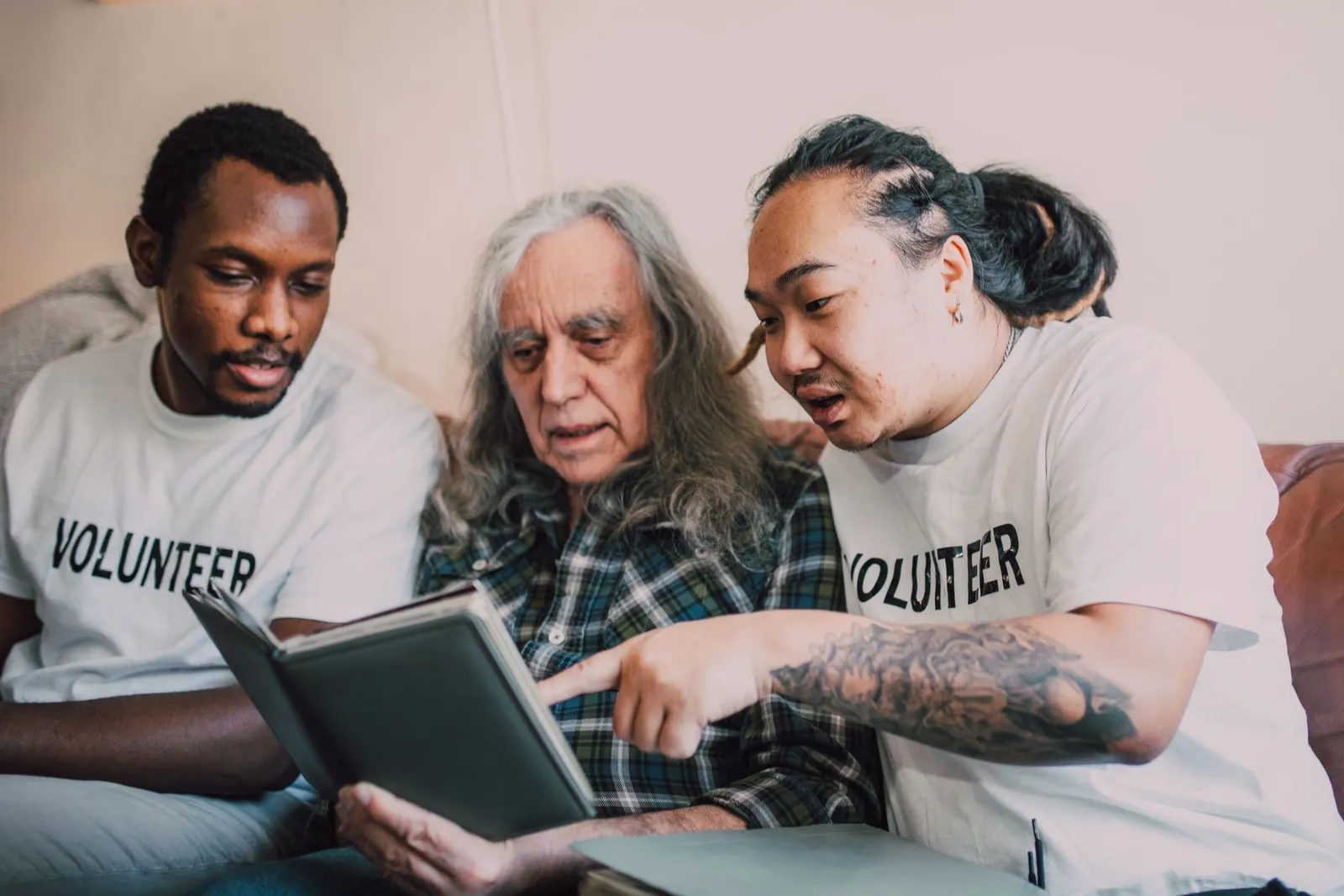
| Regular visits or buddy | Drop by once a week or fortnight, go for a walk, have coffee | People who can keep a fixed appointment |
| Neighbourhood activities | Help at a coffee morning, meal or outing at a community centre | People who prefer working in a group |
| Transport and practical help | Drive someone to hospital or the market, do the shopping together | People with a car or spare hours |
| Telephone helpline | Listen to people who call | People who want to help from home, after training |
| One-off event | Help at a Christmas dinner or a day out | People who want to try it first |
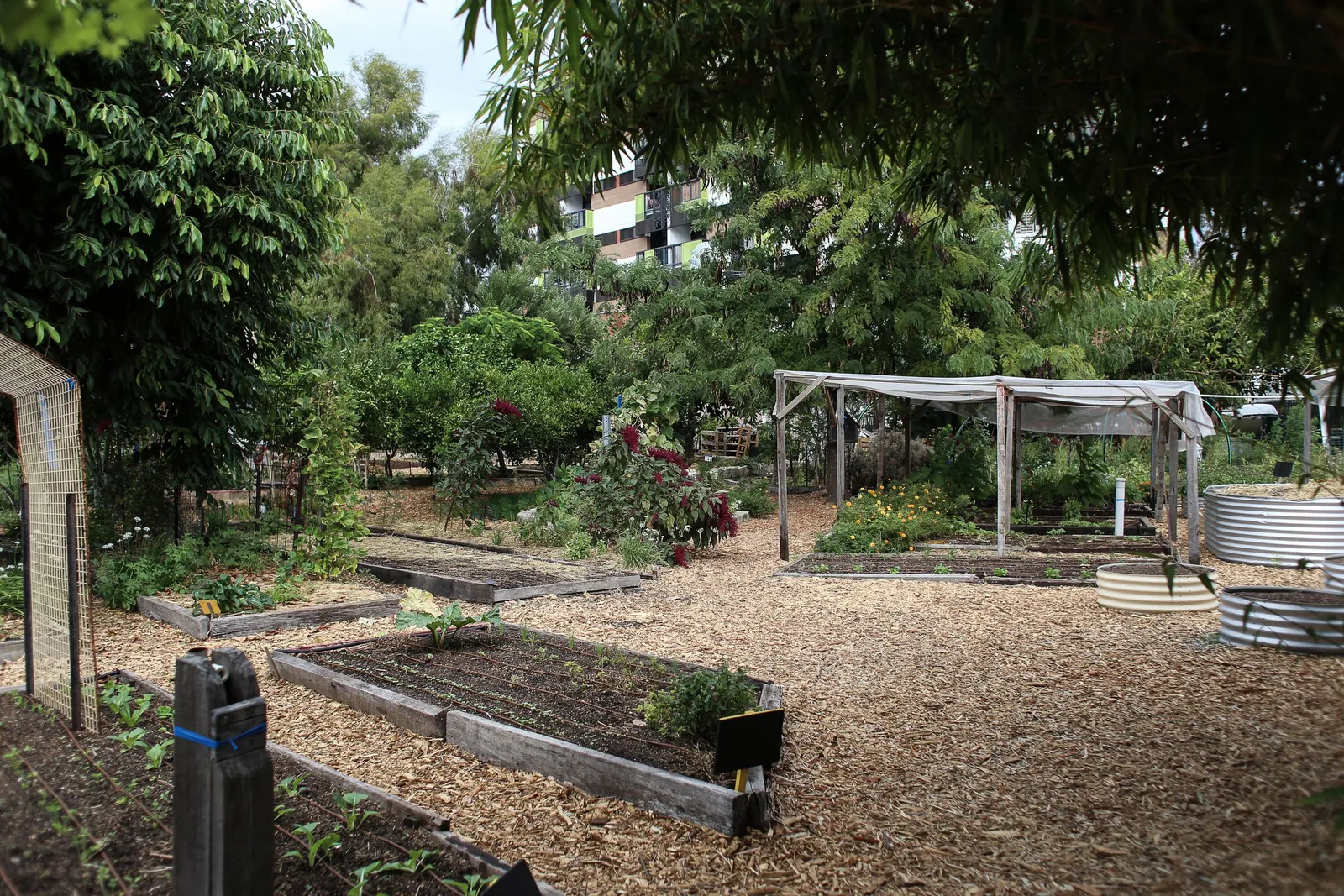
Keep Movisie's second lesson in mind: look for work in which older people can do something themselves. Cooking together, keeping a vegetable garden, or an older person explaining something to the group often works better than simply "popping round for a chat".
If you'll be working with vulnerable older people, the organisation will often ask for a certificate of conduct (VOG, verklaring omtrent het gedrag). What you need for it, and how insurance works, is in the volunteering guide. According to the government, various organisations also offer training for volunteers.
How do you recognise loneliness, and how do you start?
You don't have to wait for a vacancy. The Dutch government lists things anyone can do for a lonely neighbour:
- invite someone round for a cup of coffee;
- have a regular chat on the stairs or over the garden hedge;
- go shopping together;
- be the driver now and then, to the hospital or to family;
- offer small practical help, and have a chat while you're at it.
Signs of loneliness, such as keeping people at a distance, sadness or anger, can also point to something else. So see them mainly as a reason to start a conversation, the government says, not as a conclusion. Just ask how someone is doing, and take time for the answer.
All year round, not just in December
Around the holidays there's a lot of attention for lonely older people. That's good, but loneliness doesn't stop on 2 January. The Dutch government runs the action programme Eén tegen eenzaamheid (One against loneliness), which includes an annual Week against Loneliness. At the end of 2025 the Ministry of Health, Welfare and Sport announced that the approach will continue until 1 April 2028, with lasting partnerships between municipalities, care and welfare, employers, sport and culture, among others. PostNL postal workers, for example, can pass on signs when something seems wrong (Rijksoverheid, in Dutch).
If you want to make a real difference, choose something you can keep up. An hour a week for six months does more than one busy afternoon. And start small: a one-off activity shows you whether it suits you.
Loneliness isn't only an older person's problem
The CBS figures show that people between 35 and 55 most often feel severely lonely. Young people deal with it too. In Rotterdam, Netwerk Nieuw Rotterdam works towards a city without loneliness, with a focus on young people in vulnerable situations (profile in Dutch). So if you volunteer against loneliness, it's worth looking at other ages as well.
Where can you find volunteering with older people?
- Your municipality and the volunteer centre (vrijwilligerscentrale). Almost every municipality has one. In Rotterdam it's Zorgzaam010. More places to look are in Finding volunteering near you.
- The community centre or local welfare organisation. They often already know the older people in the area and can match you.
- Right on your own street. As we wrote in What neighbourhood initiatives teach us: the people who live on a street often know who is lonely.
Not sure yet what suits you? How to start volunteering helps you choose.
A first step
Looking for something in or around Rotterdam? On volunteering you'll find tasks with charities we have checked, with the date, place and number of places left. You sign up without an account. And if you'd first like to meet other people and do something together, take a look at the Good Karma Club.
Sources (in Dutch): RIVM, mental health monitor: loneliness among older people; CBS, 1 in 10 people feel severely lonely; stable for 5 years; CBS, Loneliness in socio-economic and social context; Movisie, What works for loneliness (2020); Rijksoverheid, What can I do for lonely people around me?; Rijksoverheid, Results of the 2025 action programme and next steps for 2026.